
“When inexperience meets operational pressure and extreme weather”
📍 Location: Arnhem Land, Northern Territory
🗓 Date: 24 December 2022
✈ Aircraft: Cessna 210N (VH-TFT)
👥 Occupants: 1 Pilot, 1 Passenger — Both Fatalities
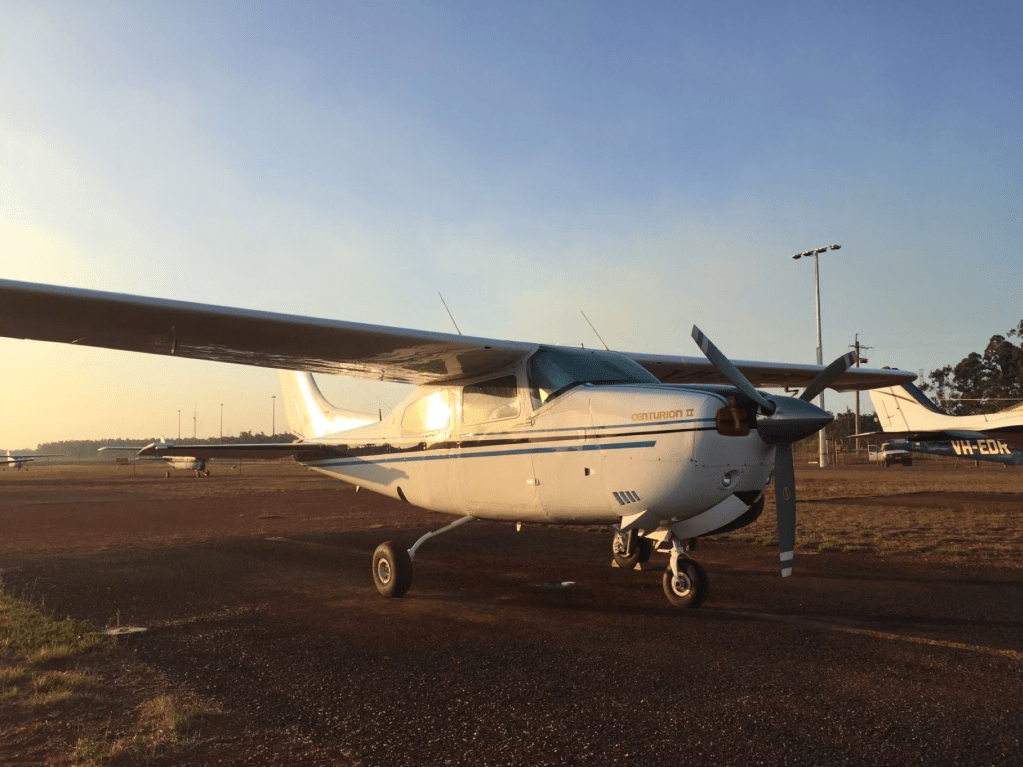
A Routine Flight That Never Arrived
On Christmas Eve 2022, a charter flight departed Gove Airport in Australia’s remote Top End, heading toward Katherine. The aircraft — a Cessna 210N registered VH-TFT — was operated by Katherine Aviation under Visual Flight Rules (VFR).
It was a simple mission: two people, blue skies at departure, and a familiar route. But over the vast Arnhem plateau, the sky began to boil.
Thunderstorms were building — invisible giants gathering strength in the humid tropical air. Hours later, when VH-TFT failed to arrive, rescuers launched a search across some of the country’s most unforgiving terrain.
By Christmas morning, the wreckage was found — scattered through bushland north of Bulman. The right wing lay hundreds of metres from the fuselage.
The aircraft had broken apart mid-air. Both occupants were gone.
The Moment Everything Failed
Investigators from the Australian Transport Safety Bureau (ATSB) pieced together a chilling chain of events.
Radar and satellite data showed VH-TFT flew into a rapidly developing thunderstorm cell.
The pilot, new to the region’s wet-season conditions, likely attempted to skirt the storm — but the weather intensified faster than expected. Inside the convective turbulence, violent updrafts imposed loads far beyond what the airframe could withstand.
Moments later, the right wing failed upward from aerodynamic overstress, tearing away mid-flight.
No distress call. No time to recover.
The Investigation: What Went Wrong
The ATSB’s final report, In-Flight Break-Up Involving Cessna 210N VH-TFT, paints a clear and sobering picture.
1. Severe Weather Encounter
The aircraft entered a developing thunderstorm that produced extreme turbulence and vertical gusts. These forces exceeded the Cessna’s certified structural limits — leading to the catastrophic failure.
2. Limited Experience in Convective Conditions
The pilot was in their first wet-season flying in the Northern Territory — an environment notorious for sudden storm growth.
Avoidance procedures existed, but it’s unclear whether adequate distance (10–20 nautical miles from cells) was maintained.
3. No Pre-Existing Structural Flaws
Metallurgical analysis revealed no prior cracking or fatigue in the wing. The failure resulted purely from aerodynamic loads beyond design limits.
4. Operational & Training Gaps
After the accident, Katherine Aviation recognised they needed to implement new weather-risk training, wet-season briefings, and tracking systems to improve situational awareness and monitoring.
Human Decisions in the Face of Nature
Imagine the scene.
A pilot, navigating between cloud towers that seem manageable. The sky darkens, radar pings echo in the headset. The turbulence builds.
Pull back slightly to steady. A gust slams from below. The wing flexes, then—
it snaps.
In less than a second, aerodynamic forces turn fatal.
It’s not recklessness — it’s the thin margin between judgment and chaos that all pilots face when weather changes faster than forecast models predict.
For Enthusiasts and Everyday Readers Alike
What makes VH-TFT’s story haunting isn’t just the mechanics — it’s the universality of its lessons:
- Weather can change faster than training prepares you for.
- Aircraft are strong, but not invincible.
- Good decision-making means respecting limits you never see.
- Every crash whispers the same message: preparation and awareness save lives.
Final Thought
VH-TFT reminds us that aviation safety is not static; it’s dynamic, living, and shaped by constant feedback.
The Northern Territory’s skies will always challenge pilots. The question is how we prepare — whether through data, training, or decision support — to keep that challenge from turning fatal.
At JellyWire Aviation, we believe safety shouldn’t rely on hindsight alone.
Our mission is to turn every flight into a learning system — one that detects risk, predicts trouble, and empowers those who fly to make smarter, safer choices.
 Aviation Advisory and Online Courses
Leave a comment